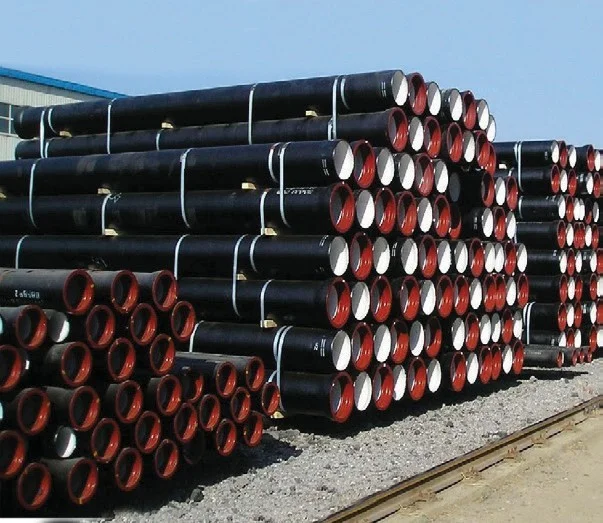
Seamless pipe sizes, dimensions and schedule chart
This guide combines two closely related tasks: understanding pipe size designations and reading the wall schedule associated with a selected size. Keeping them together lets a buyer move from a drawing to one coherent dimensional enquiry, instead of consulting near-duplicate pages. It is a reference guide for the published seamless pipe range, not a stock register or a design calculation. Use the approved project dimensional standard and its tolerances when deciding whether an offered or delivered product is acceptable.
Separate the dimensional fields on your enquiry
Create separate fields for nominal size, outside diameter where required, wall designation, length and units. Do not put every measurement into one free-text description if it makes the acceptance basis unclear. If the project drawing uses DN, retain that designation and only add an NPS reference when the relationship is confirmed. If it specifies outside diameter and wall directly, keep those fields as written rather than assigning a nominal size that merely looks close to a measured value.
Nominal size and outside diameter are different
The selected table illustrates nominal designations and their associated outside diameters. A size label does not mean that the inside or outside measurement equals the label in inches. This matters when a buyer measures an existing pipe or chooses a mating component. Work from the accepted drawing and applicable dimensional reference. A photograph of a ruler against a pipe can help explain a request, but it does not independently establish the material specification, original nominal wall or acceptance tolerance.
Read the combined schedule chart
Find the nominal size in the first column, check the associated outside diameter and then read the required schedule column. The table presents selected Schedule 40 and Schedule 80 nominal values in millimetres. It is intentionally limited rather than pretending to cover every size and heavy-wall designation. For another schedule or diameter, ask for the applicable dimensional record. Do not extrapolate a wall value from adjacent rows or treat a missing entry in a short reference chart as proof that the product cannot exist.
Understand the inside-diameter relationship
For a simple circular nominal cross-section, the internal diameter can be illustrated by subtracting twice the wall from the outside diameter. That relationship explains why a thicker wall reduces the bore at a given outside diameter. It is not a substitute for the hydraulic design or an inspection measurement of a real product. A calculated nominal bore should be labelled as such, and the responsible engineer should assess any proposed schedule change where the actual opening affects system requirements.
Distinguish nominal wall from minimum wall
A catalogue nominal wall and a project minimum-wall requirement are not interchangeable descriptions. The applicable material specification, dimensional tolerances and drawing notes establish how acceptance should work. When the drawing calls for minimum wall, identify that explicitly in the enquiry and ask the supplier to respond against it. Do not remove the word minimum in order to fit a common catalogue schedule. Doing so changes the requirement the buyer is asking the supplier to meet and can create an avoidable dispute at receiving inspection.
Check lengths and unit conversions carefully
Length may be specified as a piece requirement, a total supply quantity or a fabrication allowance. Make that distinction clear in the bill of quantities. Keep the original units and apply any accepted conversion consistently rather than mixing rounded figures from several references. If the supplier offers alternative piece lengths, ask the contractor to review the cutting plan and joint count. Total metres alone may not tell the whole installation story when specific spool lengths or transport restrictions matter.
Use weight information for the right purpose
Reference weight can help a team understand transport quantities or compare a quotation, but the commercial order should state its agreed measurement basis. Do not assume theoretical reference mass and an actual weighed transaction will always produce an identical quantity. If pricing is by weight, ask how the offered quantity is determined and how any difference will be handled. If pricing is per length, confirm what length is included. This clarity is more useful than a weight figure without its assumptions.
Compare pipe with mating components
A pipe dimension is one part of a connected assembly. Review fittings, flanges, valves and equipment connections against their own approved details. Common nominal size does not automatically settle wall transitions, joint preparation or fabrication clearances. Send the component schedule with the dimensional enquiry when a coordinated package is required. If an existing spool is being replaced, include the relevant approved drawing and the contractor's verified measurements so the reviewer can distinguish the intended new material from the condition of the old component.
Establish the receiving measurement plan
Before delivery, agree which dimensions will be checked and which acceptance references apply. Identify whether the project needs particular instruments, reports or inspection hold points. At receipt, link the measured item to its supplied identification and purchase line. If a discrepancy appears, record the location and affected material rather than applying an informal tolerance from memory. Keep the supplier's response and the project's acceptance decision with the receiving record so later fabrication uses material with a clear status.
Quotation details for dimension-sensitive orders
Send Pioneer the approved nominal size or outside-diameter basis, wall designation, lengths, material grade and quantities. Include tolerances or drawing notes that go beyond a simple catalogue description. If several alternatives are acceptable, define each approved option instead of leaving the supplier to guess. Ask for the proposed dimensions and commercial scope in writing. The Karachi team can then review a specific enquiry while the project retains control of design acceptance, document requirements and any subsequent substitution decision.
Seamless pipe sizes and chart FAQs
Does the chart establish stock availability?
No. It is a selected dimensional reference. Availability must be confirmed against an actual material, size, schedule and quantity enquiry.
Where is the Schedule 160 chart?
Use the Schedule 160 buying guide and request the required dimensions against your project's approved reference. No unverified heavy-wall table is published here.
Can I use nominal dimensions as inspection tolerances?
No. Nominal values and allowable variations are different concepts. Use the applicable specification and inspection requirements for acceptance.
Should I send a drawing for a non-standard dimension?
Yes. Include the exact dimensional basis, units, tolerances, material requirement and quantities so the team can assess the proposed supply without assumptions.