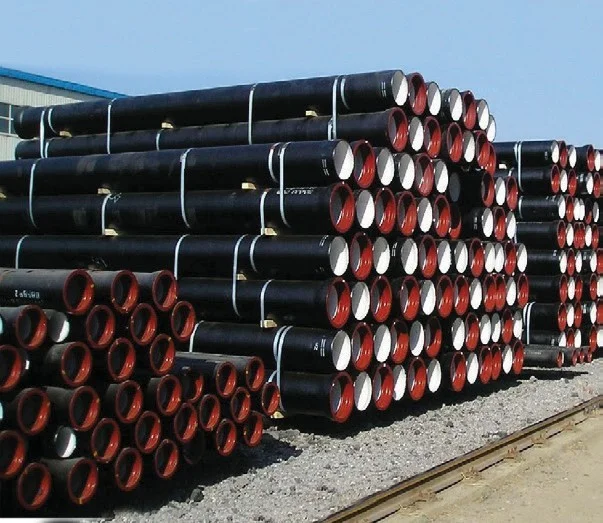
API 5L seamless line pipe for defined pipeline requirements
API 5L seamless line pipe is a specification-led enquiry, not a general label for every industrial pipe purchase. Pioneer Delta Group's published range identifies API 5L Grade B, X42, X52 and X60. This provides a basis for asking about those grades, while the proposed dimensions, product specification level, mill and records still need confirmation for each order. The buying process should begin with the approved pipeline specification and retain its requirements through technical review, quotation and receiving inspection.
Identify the right part of the project
An energy project can contain a transportation pipeline, plant process lines and building utilities. Those components may use different material specifications. Do not assign API 5L to all items merely because the end user operates in oil and gas. Match the purchase line to the approved line list or engineering data sheet. This page focuses on line-pipe procurement; it does not approve a particular grade for an unidentified process line, equipment connection or service condition.
State the grade, PSL and manufacturing route
Grade, product specification level and manufacturing route are distinct fields in an API 5L enquiry. Retain all three where the project defines them. If a data sheet leaves one field unclear, request clarification before seeking a firm quotation. Avoid converting a broad API 5L listing into an assertion that every grade and PSL combination is available. The supplier should state the exact offered designation and identify deviations so the technical reviewer can assess a concrete product proposal.
Control the required standard edition
The edition named in a contract matters to both purchasing and inspection. API announced the forty-seventh edition of its line-pipe specification in June 2026, but an existing project may specify another accepted edition. Record the contractual requirement instead of silently changing it to the newest edition or accepting an older one by default. When an alternative edition is proposed, ask the project reviewer to consider the difference and provide written acceptance before the purchase order description is revised.
Link supplementary requirements to the order
Attach the project document that defines additional requirements, rather than relying on shorthand in an email subject. If inspection, coating, testing or third-party review is specified, identify its scope and any hold points. A supplier's general statement that a pipe is intended for oil and gas does not resolve those obligations. Ask for an explicit response against the project requirements so missing information is visible before price negotiation or a delivery date becomes the focus.
Discuss demanding service conditions explicitly
Where a project involves sour service, particular temperature conditions or another demanding duty, provide the approved acceptance criteria. Do not assume a higher-strength grade or a particular PSL independently establishes suitability. The responsible engineer must define the required product and testing basis. The quotation should then identify whether the offered supply satisfies that basis or needs additional review. Any proposed alternative belongs in a clearly separated deviation list, with the resulting acceptance decision retained alongside the order.
Agree marking and traceability arrangements
Ask how lengths will be identified and connected to the agreed material records. For an order spanning several heats or shipments, the handover should make it possible to relate each delivery to its supporting documents. Include the required packing and identification format where the project specifies one. If material is later cut for fabrication, the site needs its own accepted process for retaining identity. Supplier documents and site controls work together; one should not be treated as an automatic replacement for the other.
Review coating and end details separately
The base pipe specification does not communicate every external protection or joining requirement on a pipeline project. State the coating scope, end preparation and any protected end areas defined in the drawing. Ask whether these requirements are included, excluded or awaiting a separate offer. Clarify how transport and handling will protect the offered condition. When comparing quotations, keep the same finish and preparation basis across suppliers so an apparently lower rate does not merely reflect omitted work or different delivery scope.
Build an actionable commercial comparison
Use an itemized comparison with separate columns for grade, PSL, dimensions, quantities, records and delivery terms. Check whether the price is per length, metre or weight and confirm the quantity basis. Keep quotation validity, inspection charges and transport assumptions visible. If the supplier cannot confirm part of the scope, retain that status rather than presenting the whole package as approved. Pioneer welcomes a specification-led enquiry through its Karachi team; current availability and project delivery arrangements require a written response.
API 5L seamless line pipe FAQs
Does the API 5L label prove seamless manufacture?
No. The specification includes different manufacturing routes. State seamless explicitly and check the proposed material description and records.
Is PSL 2 automatically suitable for sour service?
Do not assume that. State the project-specific service and acceptance requirements and have the offered product reviewed against them.
Can X52 replace Grade B without approval?
No automatic substitution should be made. A different grade needs review against the approved engineering and purchase requirements.
Can Pioneer confirm every listed grade immediately?
A published product range is not a live stock record. Send the complete grade, PSL, size and quantity request for an actual availability and commercial assessment.