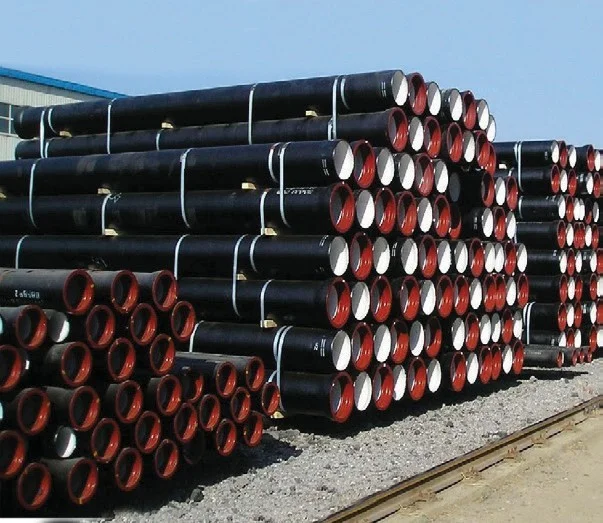
ASTM A53 seamless pipe: define the complete product
A53 procurement is particularly sensitive to incomplete descriptions because the standard covers more than one manufacturing route and surface condition. Pioneer Delta Group lists ASTM A53 Grade B within its published seamless pipe range. An enquiry should nevertheless identify the required seamless type and finish explicitly. The purpose of this page is to help buyers distinguish those fields, review a proposed offer and prepare the material information needed for an actual quotation, without assuming every possible A53 product is part of the supply range.
Identify the duty before selecting the finish
Start with the service description and approved piping specification. A request for water, air or a utility line should still identify the material class and acceptance requirements. The fluid name on its own is not enough to select a product. Ask the designer to resolve any uncertainty about the required manufacturing route or surface treatment before commercial enquiries are issued. That avoids requesting several non-equivalent products under the same short description and then comparing only their prices.
Write Type S and grade on every relevant line
For seamless A53 material, retain the Type S designation in the purchase description. State the grade separately and include the edition required by the contract. If a bill of quantities only says A53, raise the missing manufacturing information as a clarification rather than assuming a welded or seamless route. An explicit request allows the supplier to identify compliance or exceptions early and gives the receiving team a clear reference when checking the proposed product identification.
Keep surface finish unambiguous
Black and zinc-coated finishes are different commercial descriptions. Select the finish required by the approved specification rather than treating the terms as interchangeable. If a supplier proposes a different surface condition, have the project reviewer consider the change before ordering. Surface appearance cannot prove the underlying grade, manufacturing type or compliance with the purchase specification. Retain those requirements in the order even when the finish seems to be the most visible feature of the requested pipe.
Distinguish A53 from A106 enquiries
A53 and A106 can appear together in industrial pipe discussions, but they are separate material specifications. Decide which one your approved project documents require. If a proposed product is described as dual certified, request the records for the actual offered material and ask the responsible reviewer to confirm acceptance. Do not change the purchase description to a different specification simply to match the first offer received. Keeping the original requirement visible also makes subsequent quotation revisions easier to evaluate.
Review dimensions and end preparation
Specify nominal size, wall designation and required lengths alongside the A53 description. Include the end condition on the drawing, such as the bevel arrangement needed for the approved connection. If threaded ends or another preparation are requested, ask for written confirmation of supply scope rather than inferring them from a general A53 listing. For replacement work, identify the dimensions of mating components and involve the fabrication team before accepting an alternative length or wall. These details can affect practical installation even where the material grade is correct.
Manage certificates and receiving identity
Agree the required material records before the order is released. Ask how the offered pipe identification will connect to its records and how this relationship will be retained across partial dispatches. At receipt, compare the actual delivery against the order description, packing information and agreed documentation. If a grade, manufacturing type or heat reference is missing or inconsistent, identify the affected material and request clarification. A commercial invoice naming A53 is not a substitute for all of the technical records a contract may require.
Compare utility and contractor packages consistently
A contractor may request A53 pipe as one part of a broader package containing valves, fittings and flanges. Keep the material requirements for each component distinct and review connection compatibility across the package. When seeking several offers, use the same line list and document schedule for every supplier. Ask suppliers to separate compliant lines, alternatives and unanswered items. This makes a price comparison more useful than a single package total that hides different quantities, material routes or delivery assumptions.
Practical quotation and delivery questions
Confirm the pricing unit and whether the offer covers the requested total length or a stated number of pieces. Review taxes, transport, unloading responsibility and quotation validity as separate commercial points. If dispatch is required in stages, identify the order lines needed first and ask the team to confirm the proposed sequence. Pioneer can review the request through its Karachi contact; no particular stock position, mill source or dispatch date is established by the existence of this product page.
ASTM A53 seamless pipe FAQs
Does Grade B mean the pipe is seamless?
No. Specify the manufacturing type as well as the grade. For the seamless route, retain the Type S requirement in the enquiry and review the offered documents.
Does black finish establish the material grade?
No. Finish is one part of the product description and cannot replace grade, type or material identification.
Can A53 be used for any water installation?
The approved specification and application requirements must decide suitability. Water service alone does not establish every material, finish or installation requirement.
Which documents should accompany an enquiry?
Include the line list, required standard edition, grade and type, dimensions, finish, quantities, end preparation and the project's document schedule.