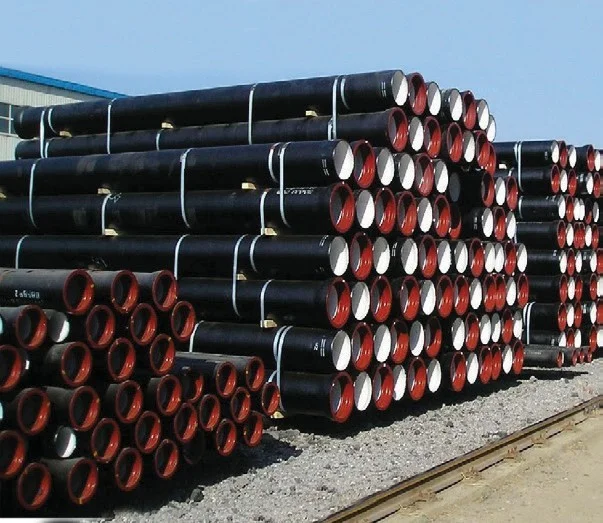
Schedule 80 seamless pipe for a defined material line
Pioneer Delta Group's published seamless pipe range includes Schedule 80. The designation becomes a complete purchase requirement only when it is combined with nominal size, material specification, grade and quantities. This page concentrates on the consequences of choosing a different wall at the same size: a changed internal opening, a different material quantity and fabrication considerations. It does not assign a universal duty to Schedule 80 or state that every requested combination is available. Ask for the proposed product details on each quotation line.
Start with the design rather than a thicker-wall assumption
An approved drawing may call for Schedule 80 for a specific reason. Retain that requirement instead of deciding during purchasing that another wall must be adequate or that a still heavier wall must be better. A substitution can affect more than purchase cost. Ask the responsible engineer to review it with the fabrication and operating requirements in view. Record the accepted change before revising the order so later inspection is based on one consistent requirement.
Read Schedule 80 dimensions at the correct size
For NPS 2, selected standard pipe tables show an outside diameter of 60.3 millimetres and a Schedule 80 nominal wall of 5.54 millimetres. This is an example for that particular size, not a constant wall for the whole schedule. The site's combined dimensions guide compares selected sizes in one table. Use the dimensional standard and edition specified by the project for final review, including the applicable tolerances and any additional requirements stated on the drawing.
Understand why a bore change matters
At the same nominal size, a thicker wall leaves a smaller internal opening. Review that difference where the pipe connects to an equipment nozzle, an instrument arrangement or an existing spool. Do not assume a nominal-size match settles every fit or flow issue. Send the connection details with the request if the contractor needs to assess a replacement. The buyer should keep the engineering requirement intact while the supplier confirms the proposed dimensions and preparation.
Coordinate different wall components
A package can contain pipe, fittings and equipment connections with different wall details. The fabrication team should establish how those interfaces will be joined under the approved procedure. Simply ordering every item with a Schedule 80 label may not describe each component correctly. Use the approved component schedule and ask suppliers to identify discrepancies before purchase release. This is particularly useful when several vendors supply different parts of the same spool or project package.
Include weight and handling in the purchase discussion
Heavier wall at a given size changes the material quantity in a length of pipe. Ask for the offered weight basis where weight affects quotation comparison, transport or receiving checks. Keep theoretical reference weight separate from an agreed weighed commercial quantity. The contractor should assess handling, support and access requirements for the actual installation. A dimensional schedule on a supplier page does not establish a lifting method, permitted support spacing or loading arrangement for a site.
Keep Schedule 80 separate from the grade
Material choice and wall designation answer different questions. State the approved standard, grade and required seamless route even when the schedule is prominent in the enquiry. If the supplier proposes an alternative material standard, require a separate technical response. A familiar schedule does not make different steel grades equivalent. Review the material documentation against the order instead of using appearance, wall thickness or a general product label as proof of the complete specification.
Review fabrication lengths and joint preparation
Request the lengths needed by the approved cutting or spool plan. If alternative lengths are offered, assess the effect on waste, joint count and delivery handling before acceptance. Identify bevel, plain-end or other preparation requirements explicitly and ask which preparation is included in the offered scope. Where end protection matters during transport, communicate the relevant requirement before dispatch. Resolving these details in the quotation is more efficient than discovering a mismatch after material has arrived at the fabrication area.
Make quotations comparable and traceable
Create a comparison sheet with separate fields for nominal size, schedule, grade, lengths, quantity, documents and delivery terms. Record supplier deviations rather than hiding them in a single total price. Ask the team to state quotation validity and whether availability has been confirmed for every line. If an order includes several shipments, agree how material records will be provided for each dispatch. A clear commercial and document trail helps the receiving team evaluate the actual material against the accepted offer.
Send a Schedule 80 seamless pipe enquiry
Pioneer can review a line list through its Karachi team. Include the delivery destination and receiving constraints as well as the product description. If the project needs consultant approval before procurement, explain the document submission sequence and any hold points. The website's product listing supports an enquiry, while a written quotation establishes the proposed item and commercial scope. Do not schedule fabrication against an assumed stock position or delivery date before that assessment has been completed.
Schedule 80 seamless pipe FAQs
Is Schedule 80 always the same as XS?
Do not treat the designations as universally interchangeable. Compare the required nominal-size dimensions in the applicable project reference before accepting an alternative.
Is Schedule 80 a steel grade?
No. It is a dimensional designation. Material specification and grade must be stated separately.
Can a heavier wall affect flow?
It changes the internal opening at the same outside diameter. The responsible engineer should review the consequence for the actual system.
What is the next step for a quotation?
Send the complete line item, quantity, length and document requirements, then ask for written confirmation of the offered product and commercial terms.