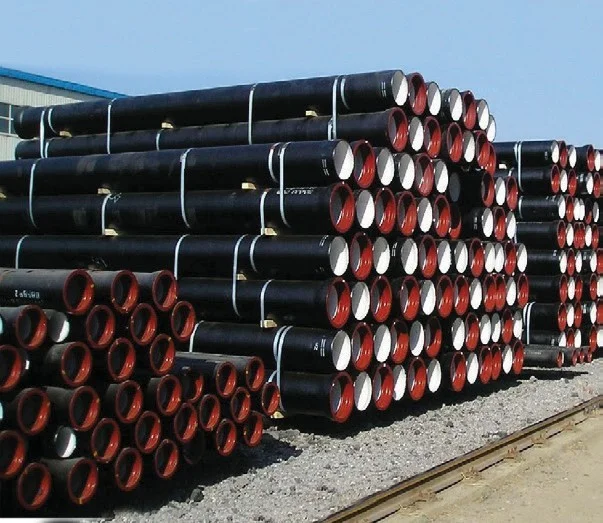
Schedule 40 seamless pipe: specify size and wall together
Schedule 40 seamless pipe is one of the wall designations shown in Pioneer Delta Group's published pipe range. A useful enquiry must still state the nominal size, material grade and required quantity. Schedule 40 does not identify one product that is interchangeable across all applications. This page focuses on the practical relationship between wall designation, internal opening and the information a buyer should compare. The aim is to turn a short catalogue term into an order that a supplier and fabrication team can interpret consistently.
Begin with the approved dimensional reference
Use the dimensional reference named on your drawing or specification. Confirm the schedule for the required nominal size instead of recalling a thickness from another diameter. If a drawing specifies an actual wall value, identify its acceptance basis and units. Ask the project reviewer to clarify inconsistencies before requesting a price. A supplier should not have to decide whether a schedule note or a separate wall dimension takes precedence when the two appear together without an explanation.
Understand the selected dimensional examples
For NPS 2, a commonly tabulated outside diameter is 60.3 millimetres and the nominal Schedule 40 wall is 3.91 millimetres. These values illustrate how a nominal-size designation relates to physical dimensions; they are not a pressure rating or a statement of current stock. The linked dimensions and schedule guide provides a selected reference table. Use the project's applicable dimensional standard and tolerances for acceptance rather than treating a short online chart as the complete purchasing specification.
Assess the bore required by the design
The inside opening influences connections to equipment and the hydraulic design of a piping system. If an alternative wall is offered at the same nominal size, the change should be reviewed rather than accepted solely because the outside connection appears compatible. Keep the responsible engineer's approved requirement visible in the order. Purchasing decisions should not independently change flow assumptions, clearances or equipment interfaces. Provide the relevant spool or connection drawing when an exact fit is important to maintenance or installation work.
Check replacement measurements carefully
For a replacement request, distinguish a measured outside diameter from a nominal size and a measured wall from the original nominal wall. The existing pipe may have surface condition or service history that affects interpretation. Use equipment records and approved drawings wherever possible, and ask the responsible reviewer to establish the replacement specification. Sending a photograph can help explain the task, but it cannot independently establish material grade or all of the dimensional acceptance requirements for a new pipe.
Select the material independently of Schedule 40
The schedule describes a dimensional series. Retain the required material specification, grade and manufacturing route as separate order fields. If the design calls for seamless material, do not accept an offer that only names a schedule without confirming the manufacturing route. Similarly, Schedule 40 does not decide whether A106, A53 or API 5L is the correct material basis. The approved application and project documents should resolve that choice before commercial comparison begins.
Coordinate fittings, flanges and joint preparation
Send the pipe schedule together with the matching component list when requesting a package quotation. Ask the fabrication team to review the required end preparation, fitting wall details and equipment connections. Components sharing a nominal size do not automatically resolve every joint detail. If an alternative length is offered, check the cutting plan and number of field joints before accepting it. This coordination helps avoid buying a correctly described pipe that creates avoidable work in the actual installation.
Compare quantities and pricing units
One supplier may quote per metre while another quotes per piece or by weight. Convert the comparison to a consistent contractual basis and confirm how piece lengths are counted. Include the required total quantity, allowed length variations and treatment of any shortfall. Review freight, document scope and quotation validity separately. A Schedule 40 headline price is not meaningful without the same size, grade and quantity basis behind it. Ask for revised written terms whenever those inputs change.
Prepare an efficient receiving check
Agree which quantity, dimensional and identification checks the project requires at delivery. Keep supplied records linked to the accepted lengths, particularly where several grades or schedules arrive together. If a piece does not match the expected identification, do not resolve the issue by assuming all black steel pipe is equivalent. Identify the affected material and seek clarification against the order. The receiving plan should also state how accepted, pending and rejected material will be distinguished within the site's storage area.
Request Schedule 40 seamless pipe from Pioneer
Send a line list with nominal size, Schedule 40, material grade, piece lengths and quantities. Add the delivery location, requested document package and any inspection requirements that influence the commercial scope. The Karachi team can review the request and identify the proposed supply or any exceptions. This page does not promise immediate dispatch, a particular origin or a universal operating limit. Availability, commercial validity and any alternatives should be confirmed in the actual quotation for your project.
Schedule 40 seamless pipe FAQs
Does Schedule 40 mean forty millimetres thick?
No. It is a schedule designation. The nominal wall depends on the nominal pipe size and the applicable dimensional table.
Can I use this page as a pressure-rating chart?
No. Material properties, temperature, dimensions, allowances and the applicable design rules are also relevant to an engineering assessment.
Can Schedule 80 be supplied instead?
A proposed change needs review because bore, weight and fabrication details can change. Obtain acceptance against the approved project requirement.
Which related guide should I read next?
Use the combined sizes and schedule chart to understand dimensions, then review the appropriate material-grade page for the required specification.